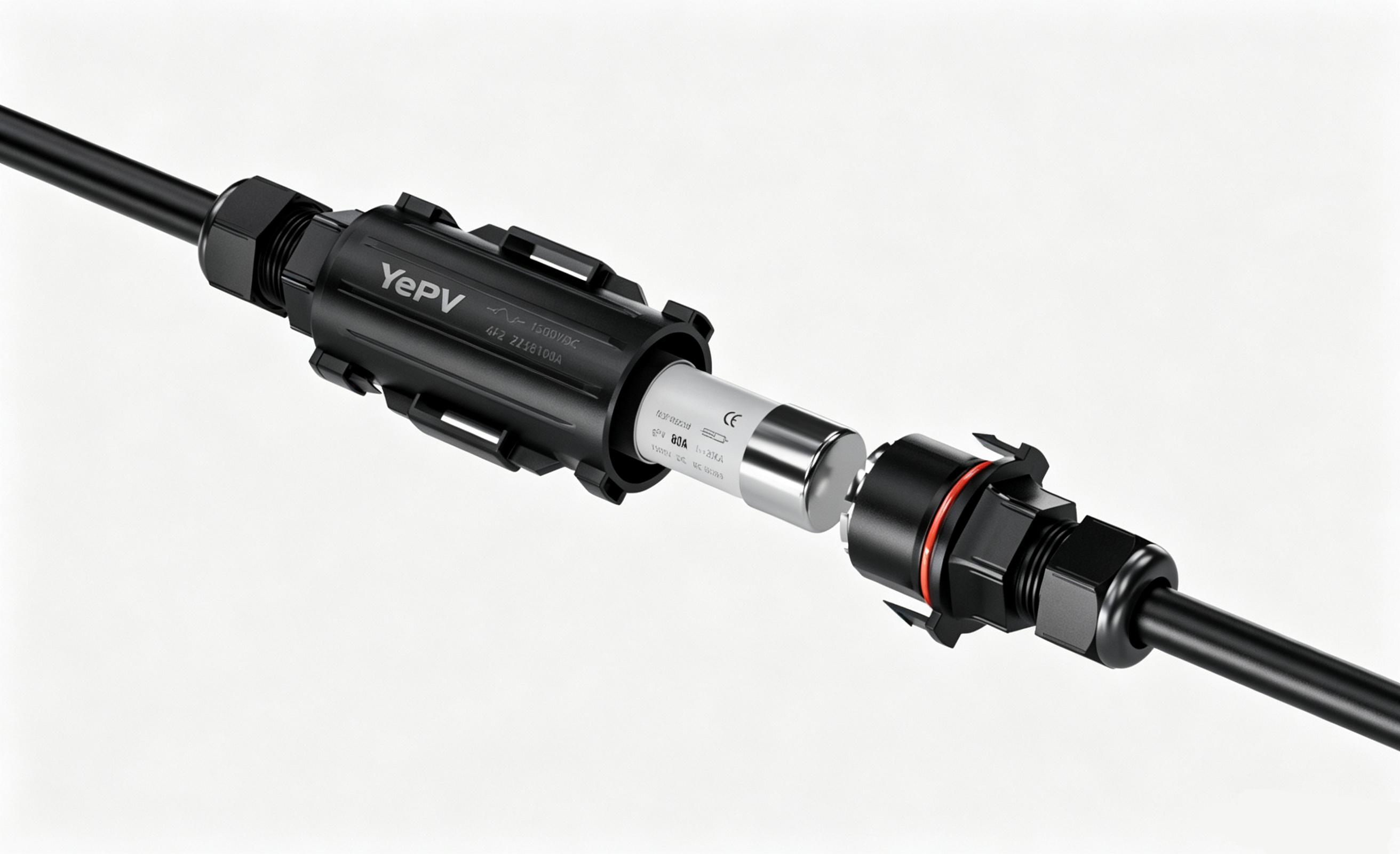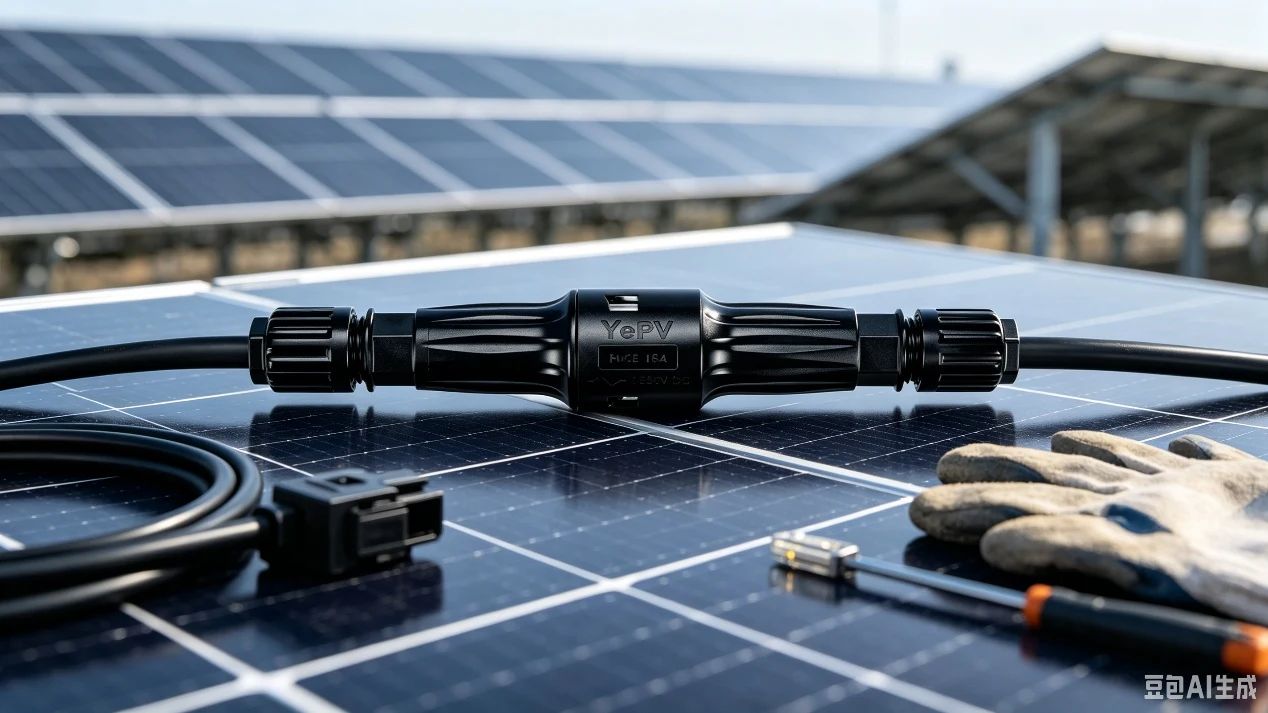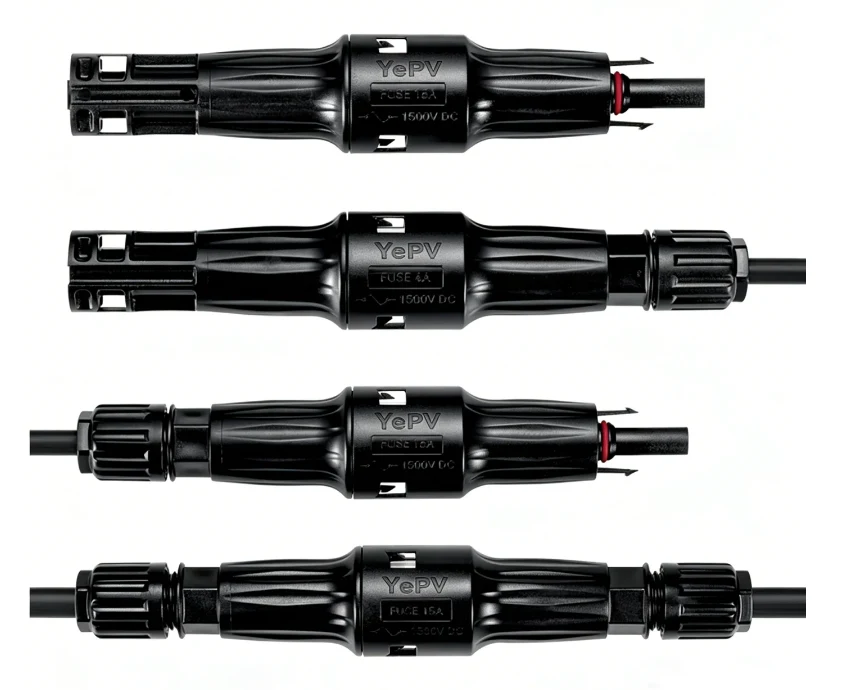
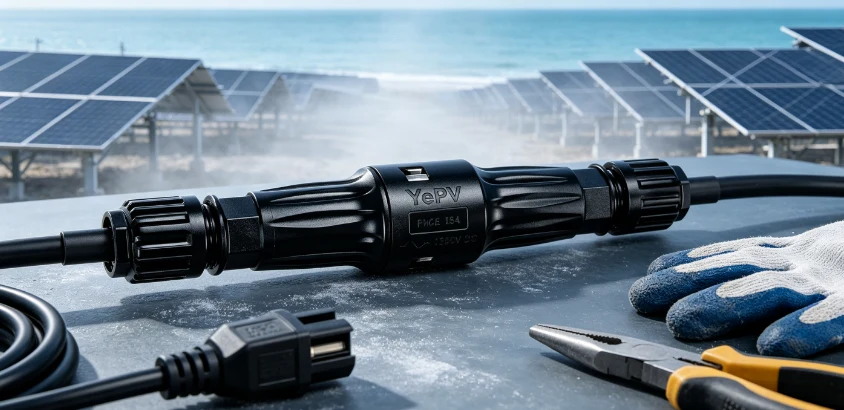
For a coastal site with high salt mist and humidity, a quality IP68 connector is enough where the exposure is ordinary rain and spray. Where the system faces breaking waves or permanent salt fog, IP68 alone is not enough and extra protection is strongly recommended.
Why IP68 is not the whole answer at the coast
Three ways to reinforce protection
Option 1 — Dedicated protective enclosure (preferred)
Purpose-made MC4 protection housings resist moisture, salt mist and mould, and transfer mechanical load from the connector to the enclosure so wave impact cannot pull the pair apart.
Option 2 — Adhesive-lined heat shrink or potting
For a small number of connectors, dual-wall adhesive heat shrink forms a tight seal as the inner hot-melt layer flows. Electronic potting compound inside a waterproof box gives permanent physical isolation.
Option 3 — Scheduled inspection
Whatever the method, inspect at least every six months for corrosion signs and for damage to the housing or shrink sleeve.
Comparison
Summary
If the array is near the sea but never touched by waves, a quality IP68 connector is sufficient. If it sits where waves reach — nearshore, jetties, floating platforms — use a protective enclosure. It is the most effective, most professional answer to salt fog and dynamic impact, and it avoids far larger repair costs later. We recommend the YePV waterproof housing paired with the YePV inline fuse.