
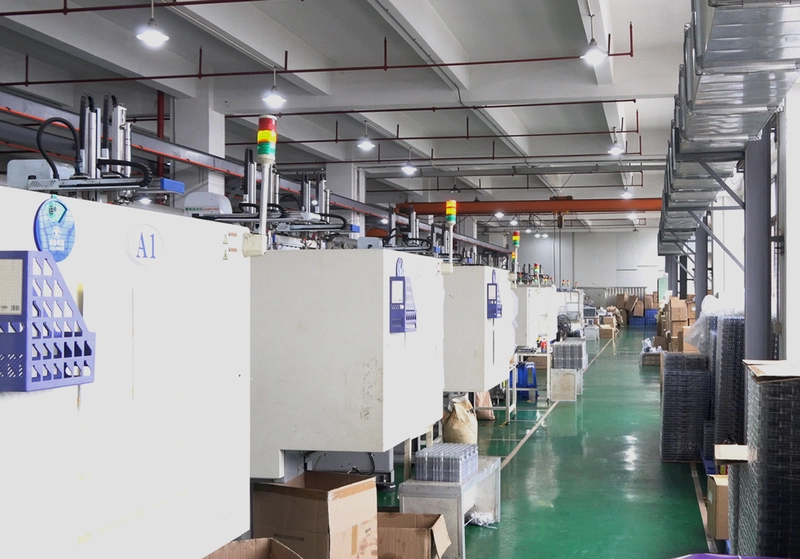
News & Blogs
Technical notes from the factory floor
Selection guidance, structural design decisions, project learnings and export documentation practice — written by the engineers who build the parts.
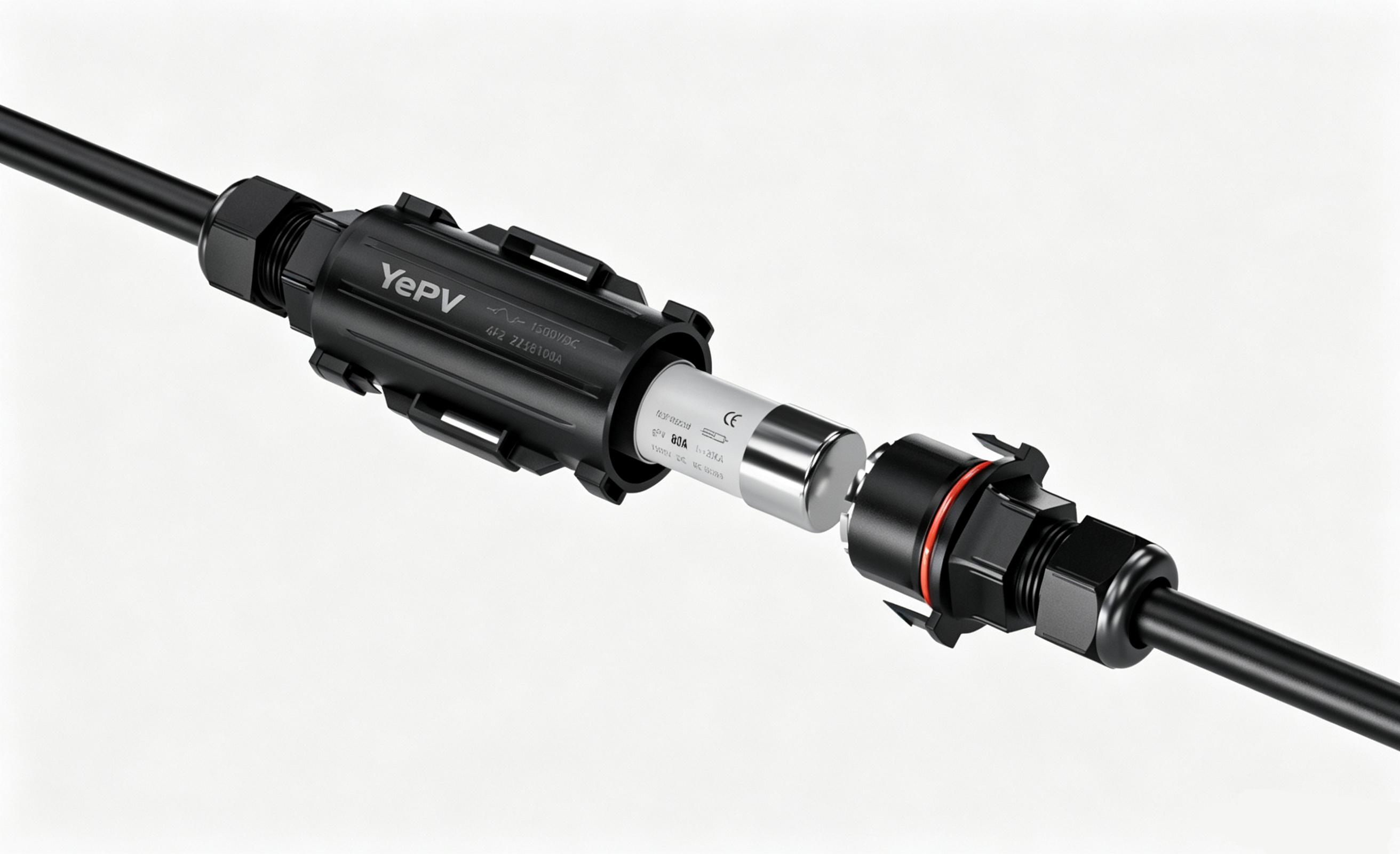 Technical Guide
How To Choose The Right Inline Fuse Rating For A PV String
The core formula every PV designer needs: minimum fuse rating >= module Isc x 1.56, plus the three golden rules that keep the string compliant with NEC and IEC.
Read article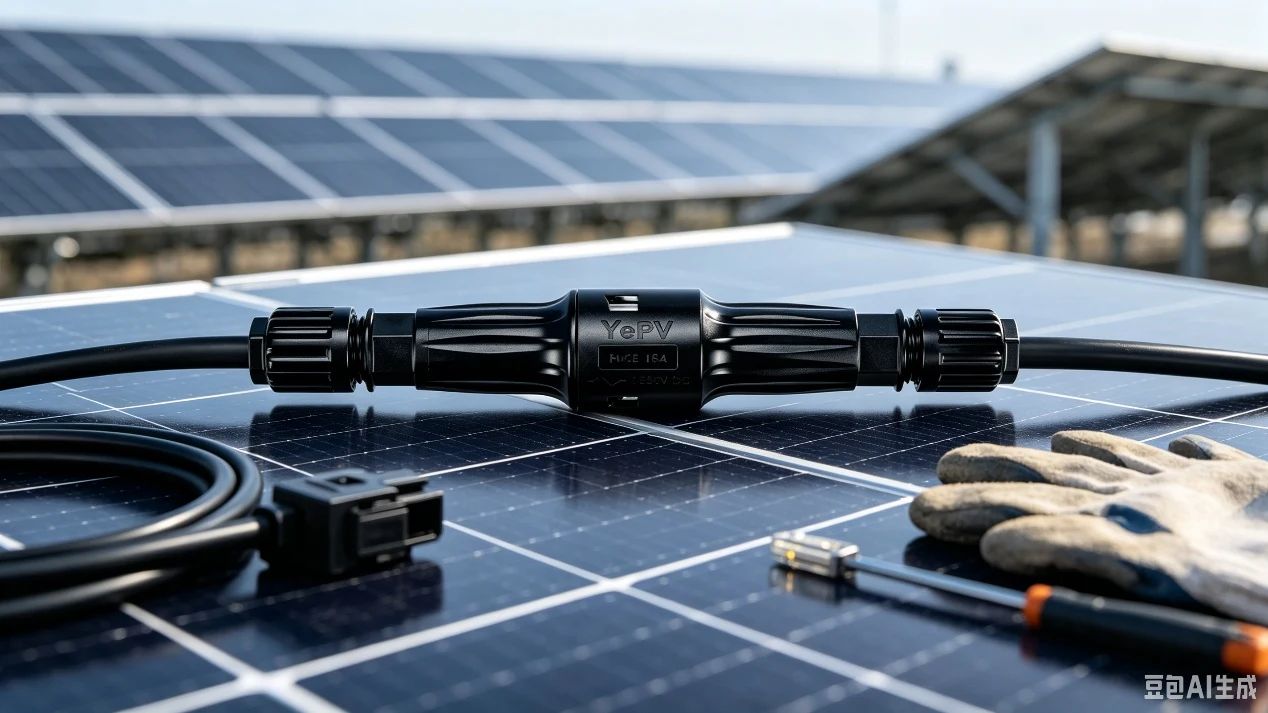 Installation
Installing MC4 Inline Fuse Connectors In 1500V PV Systems
A full workflow for 1500VDC installations — pre-checks, tooling, seven installation steps, safety considerations and the five mistakes that cause most connector fires.
Read article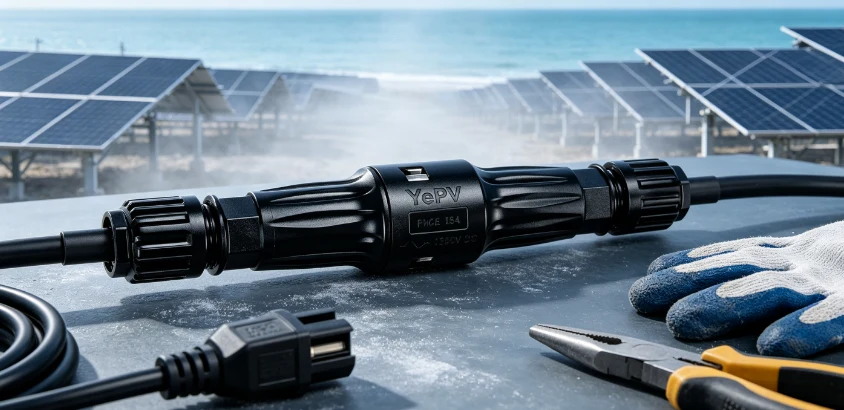 Solutions
Coastal Sites: Protecting MC4 Inline Fuse Connectors From Salt Mist
IP68 handles rain and immersion, but salt fog and wave impact are a different problem. Three ways to add a second line of defence on seaside installations.
Read article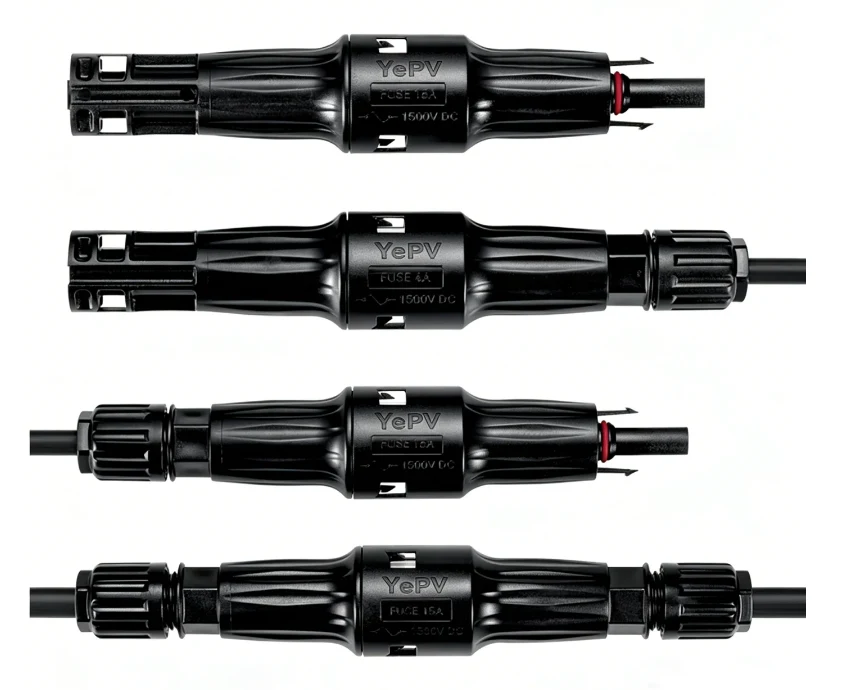 Safety
How To Avoid PV String Burnout Caused By Wrong Fuse Selection
Three real fire case studies, the derating and installation practice that prevents them, and a post-installation verification checklist for gPV overcurrent protection.
Read article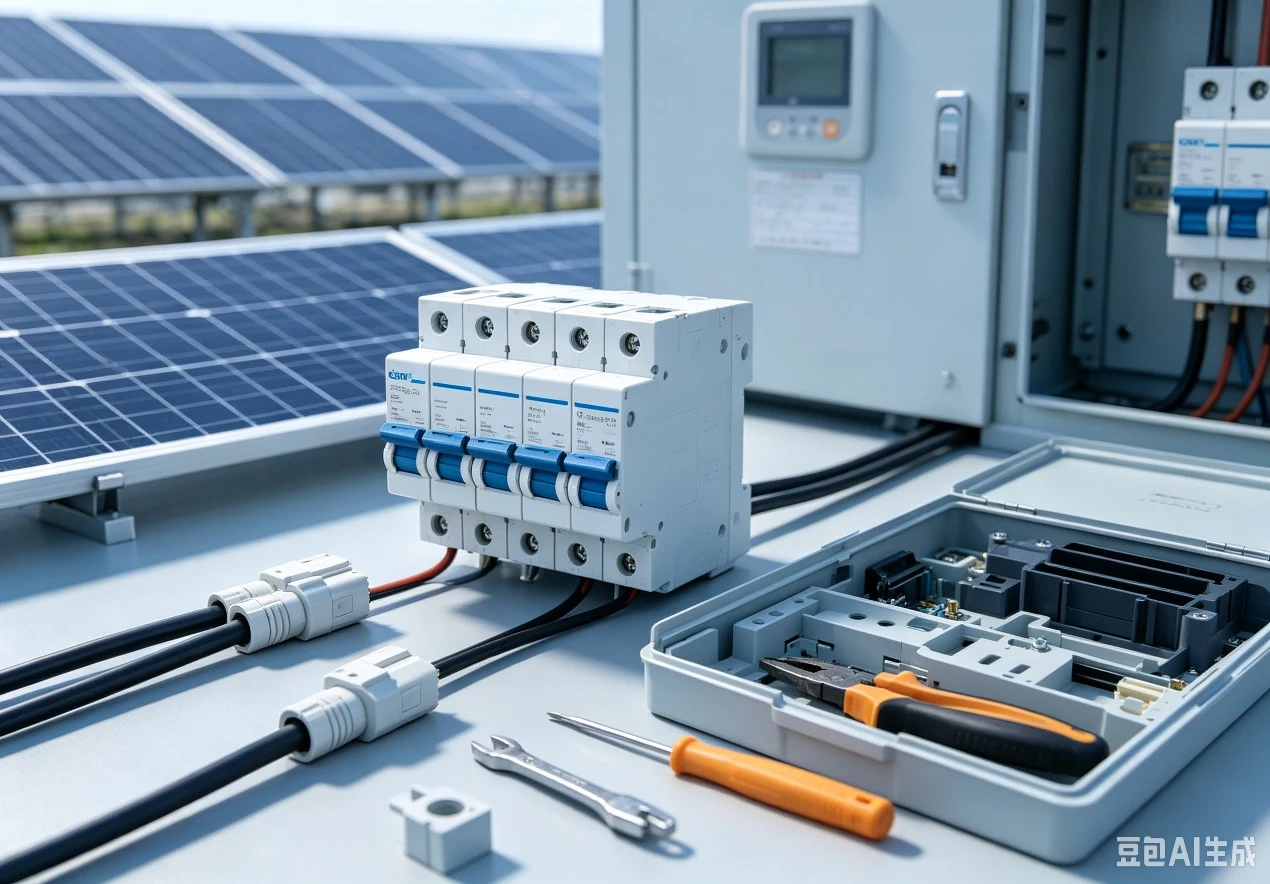 Technical Guide
What Is Breaking Capacity, And Why 1500V Systems Depend On It
Breaking capacity is the last line of defence against a DC fire. How voltage, current type and circuit time constant change it, and what to specify at string and combiner level.
Read article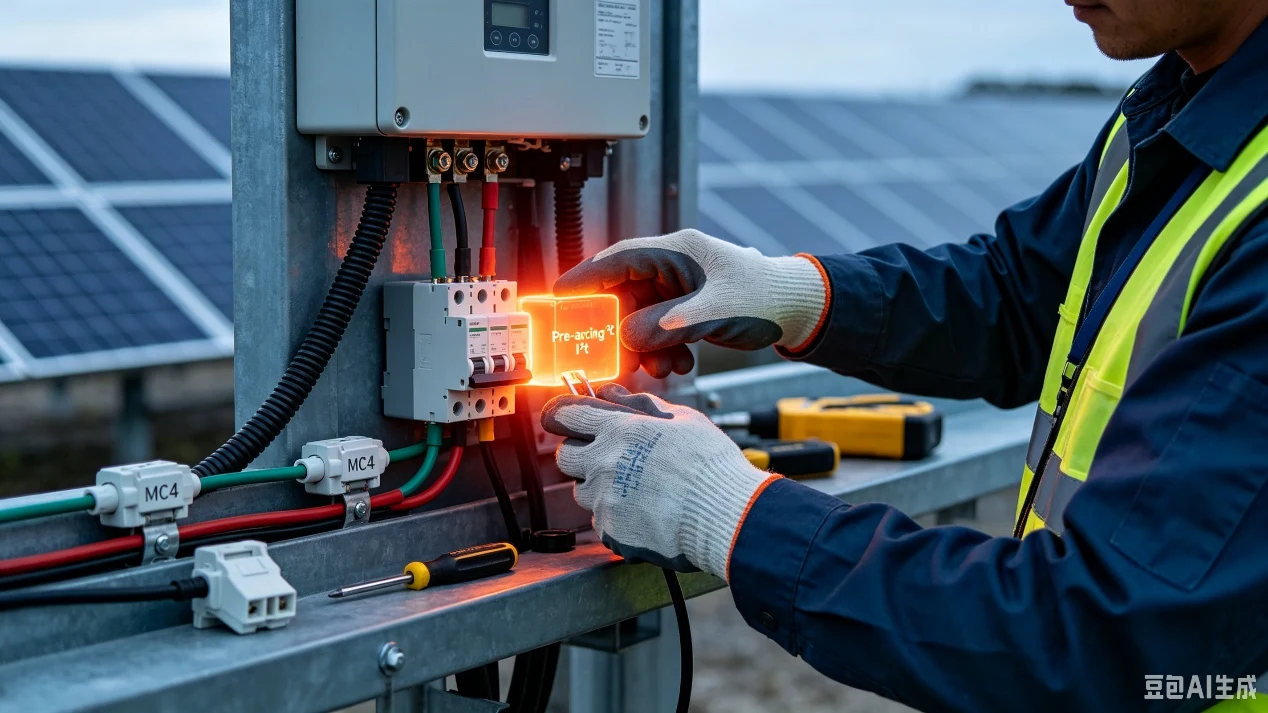 Technical Guide
Pre-Arcing I²t Explained For PV Fuse Selection
Melting I²t, arcing I²t and total I²t — what the numbers physically mean and how they drive discrimination between an inline fuse and the upstream protective device.
Read article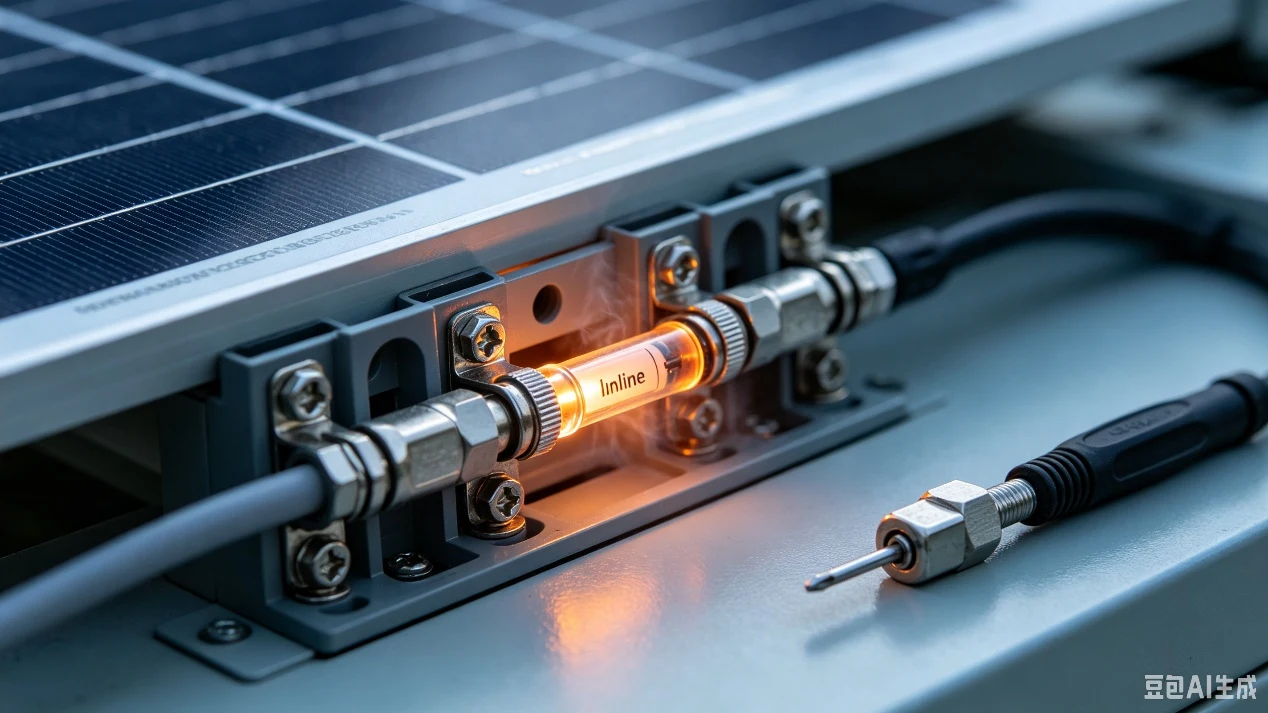 Technical Guide
Pre-Arcing I²t Selection Guide And Buyer Talking Points
A ready-to-send definition of pre-arcing versus arcing I²t, its two core functions in DC systems, and how to use it when specifying inline fuses against upstream protection.
Read article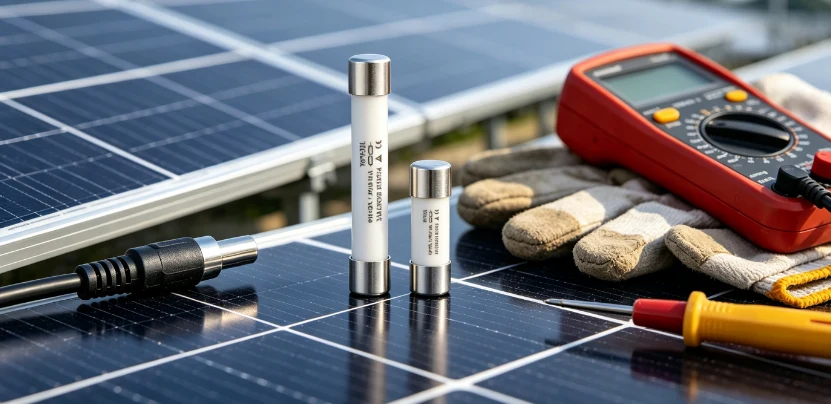 Technical Guide
1500V vs 1000V DC Fuse Selection For Modern PV Arrays
1500V systems have become mainstream, but a large existing base still runs at 1000V. Here is how to match gPV fuse ratings, breaking capacity and holder formats to each voltage class.
Read article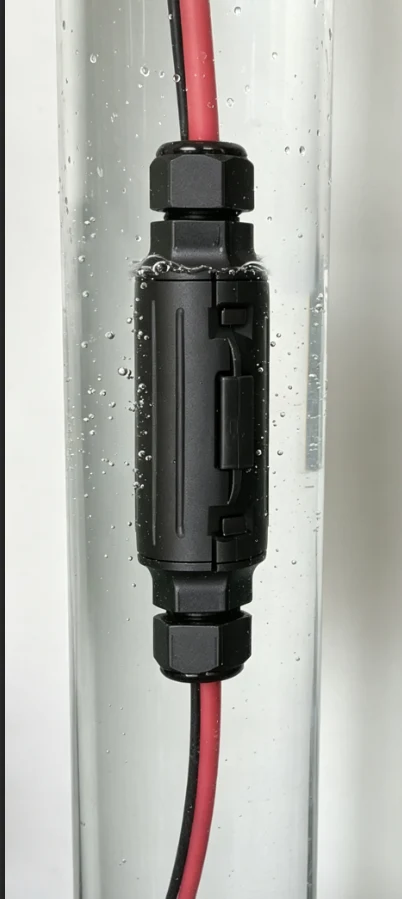 Engineering
Inside Our IP68 Waterproof Design For Outdoor PV Connectors
Double-layer sealing, UL94-V0 housings and -40℃~+85℃ material matching — the structural decisions that keep DC circuits stable through rain, snow, salt mist and desert heat.
Read article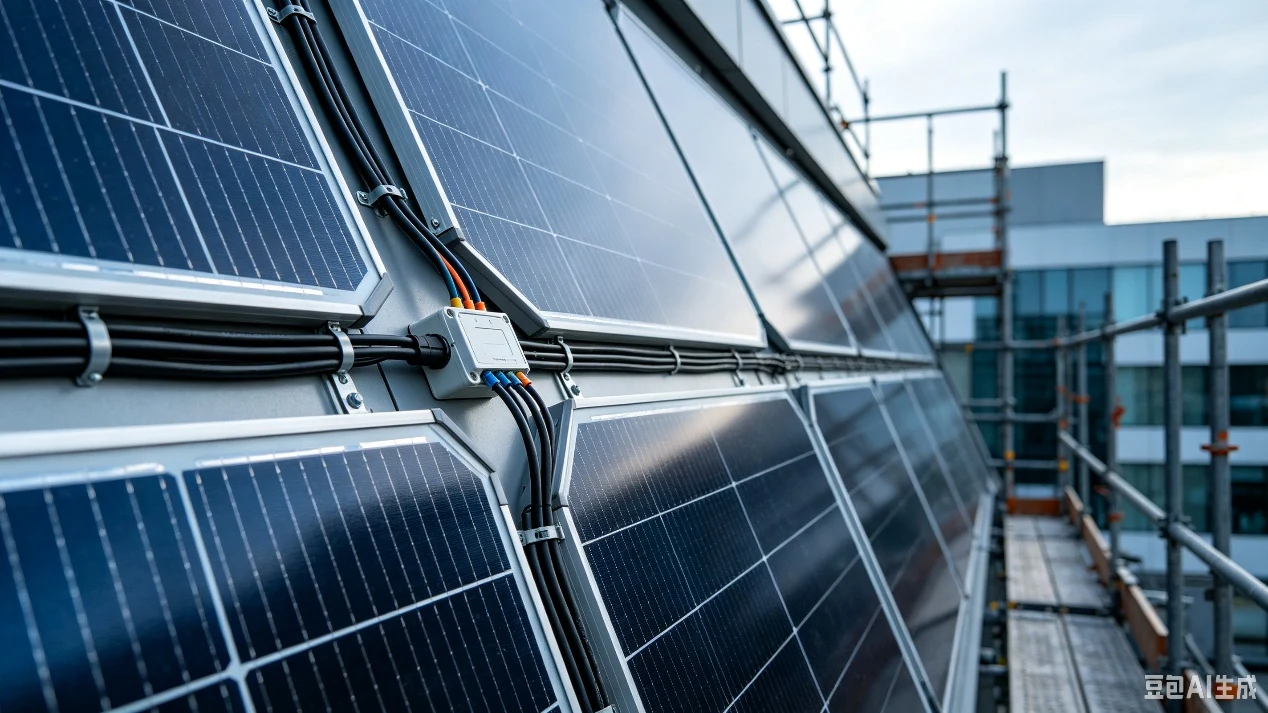 Solutions
BIPV Projects: Custom Harness & Junction Box Design Notes
Thin-film module edge wiring, hidden cable routing and facade installation constraints demand structural design that standard catalogue parts cannot deliver.
Read article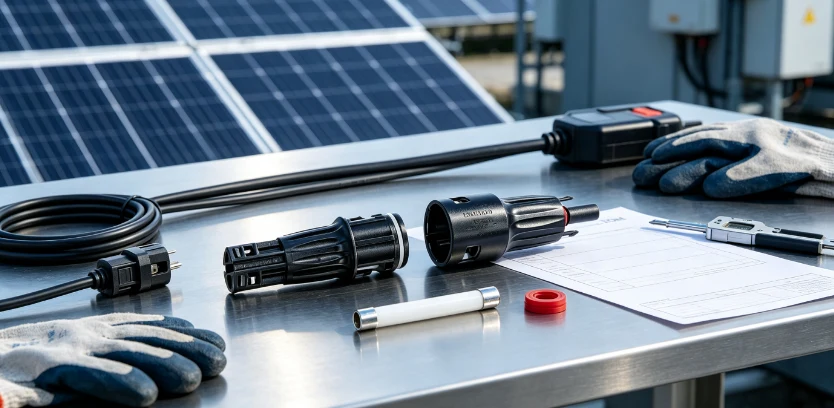 Technical Guide
MC4-EVO2 Compatibility Explained For EPC Procurement Teams
Our inline fuse connector housing mates with Stäubli MC4-EVO2 and generic MC4 interfaces without adapters. Here is what that means for your bill of materials.
Read article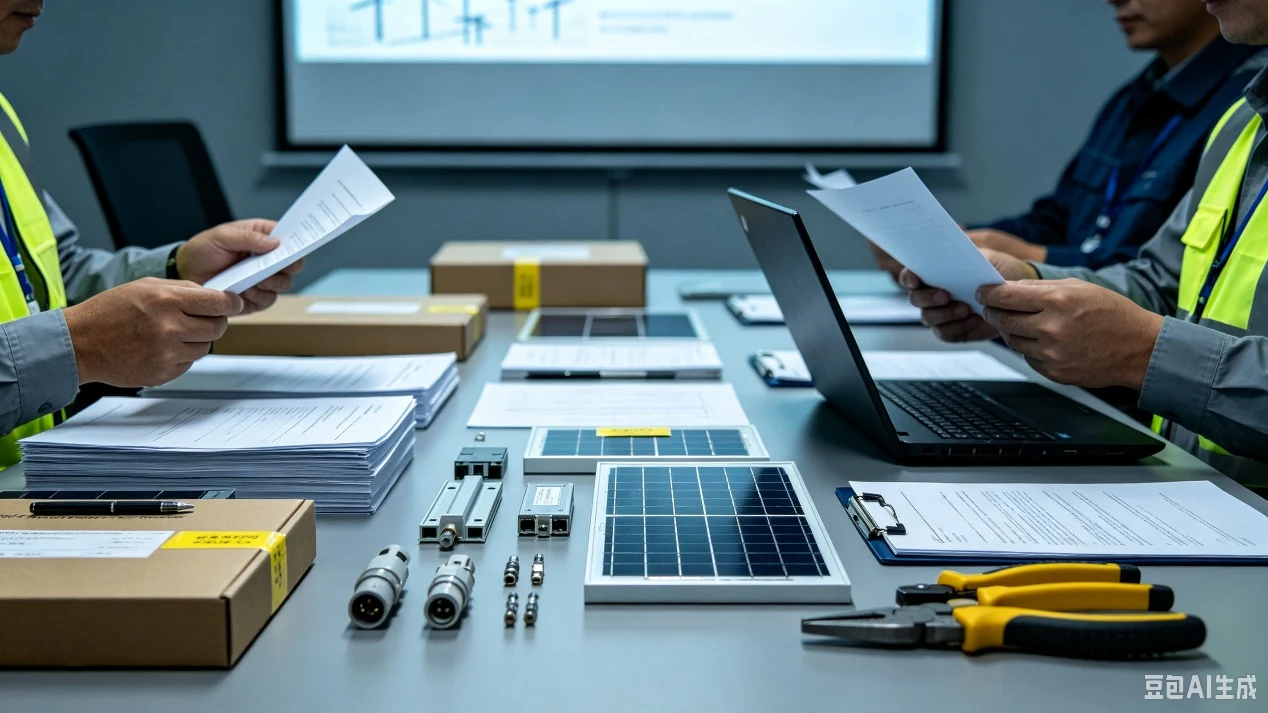 Trade
TradeExport Documentation Checklist For Overseas PV Tenders
Invoice, packing list, TÜV/CE test reports and certificates of conformity — the paperwork set that clears customs and satisfies EPC tender requirements.
Read article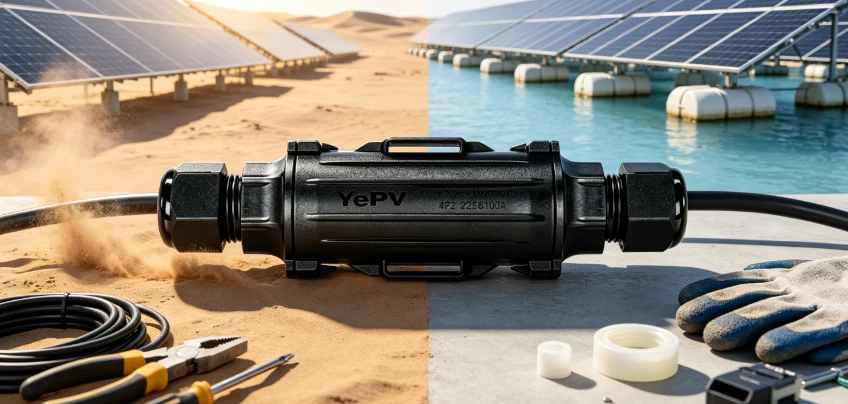 Solutions
Desert And Floating PV: Material Choices That Survive The Site
From a 30MW Saudi desert plant to a 180MW Thai floating array — how housing material and sealing strategy change with the environment.
Read articleNeed a matched PV protection solution for your project?
Send your module power, system voltage and rated current — our engineers reply with matching models, full parameters and a factory-direct quotation.