
Pre-arcing I²t is the integral of thermal energy released from the moment a short-circuit current starts heating the fuse element until the element melts and an arc just begins — before the circuit is fully interrupted. It is a short-circuit parameter, and it matters directly for gPV fuses, cascaded protection and discrimination.
Two terms to separate
Melting I²t
The total heat needed to bring the element to the point of melting under fault current. It tells you how much energy it takes to open the element.
Pre-arcing I²t
The same quantity under the industry name: pre-arcing I²t = melting I²t.
Arcing I²t
The heat released after the arc strikes until the arc is extinguished and the circuit is fully open. Total I²t = pre-arcing I²t + arcing I²t.
The formula
I²t = ∫ I² · dt, where I is instantaneous fault current and t is time. Physically it is accumulated Joule heating — the thermal shock the device withstands during the fault.
Why it matters in PV
Cascaded protection and discrimination
For a downstream inline fuse to protect selectively against an upstream fuse or breaker, the downstream device's pre-arcing I²t must be lower than the upstream device's. Then a string fault clears the small local fuse only — the combiner stays online and the plant keeps producing.
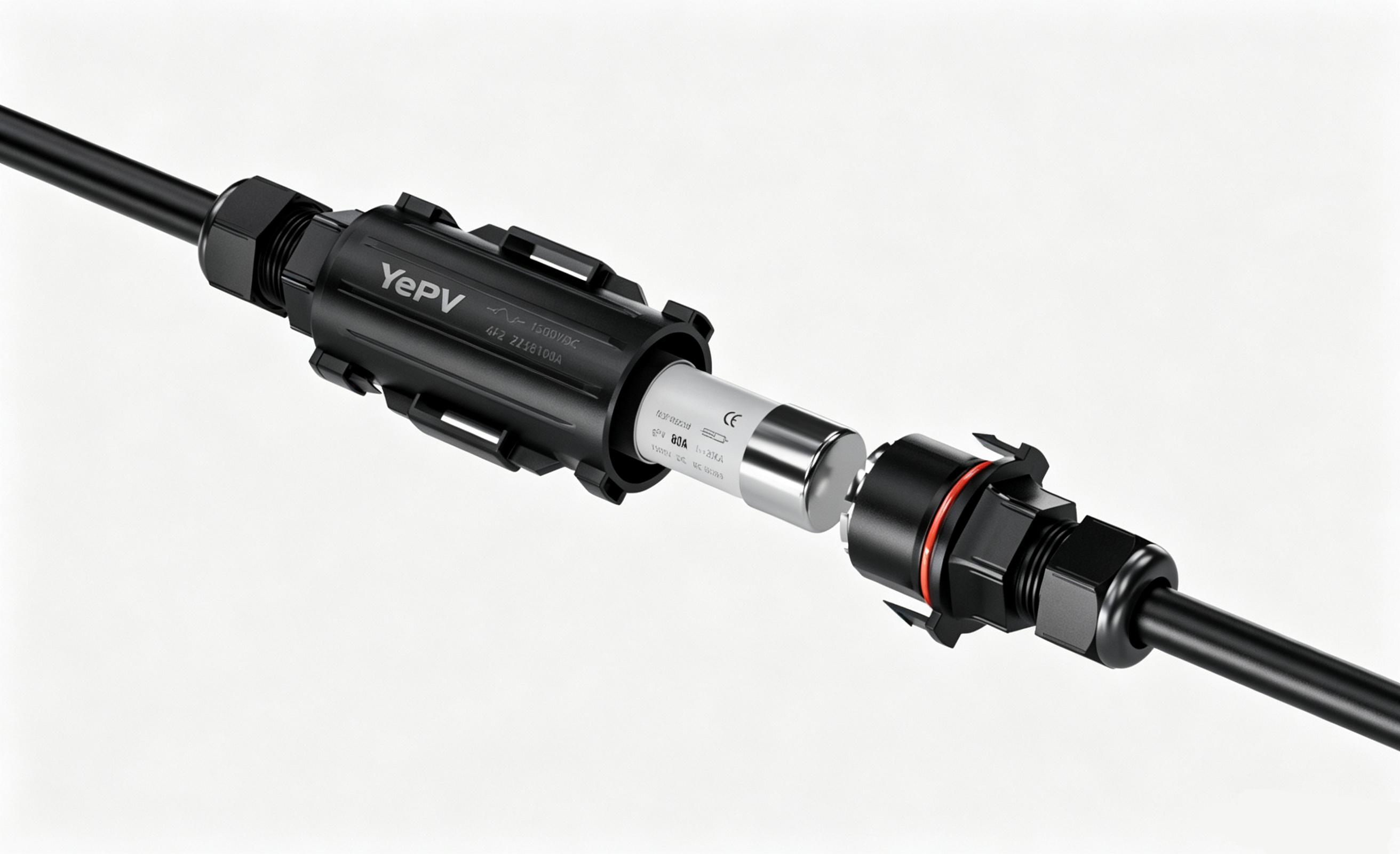
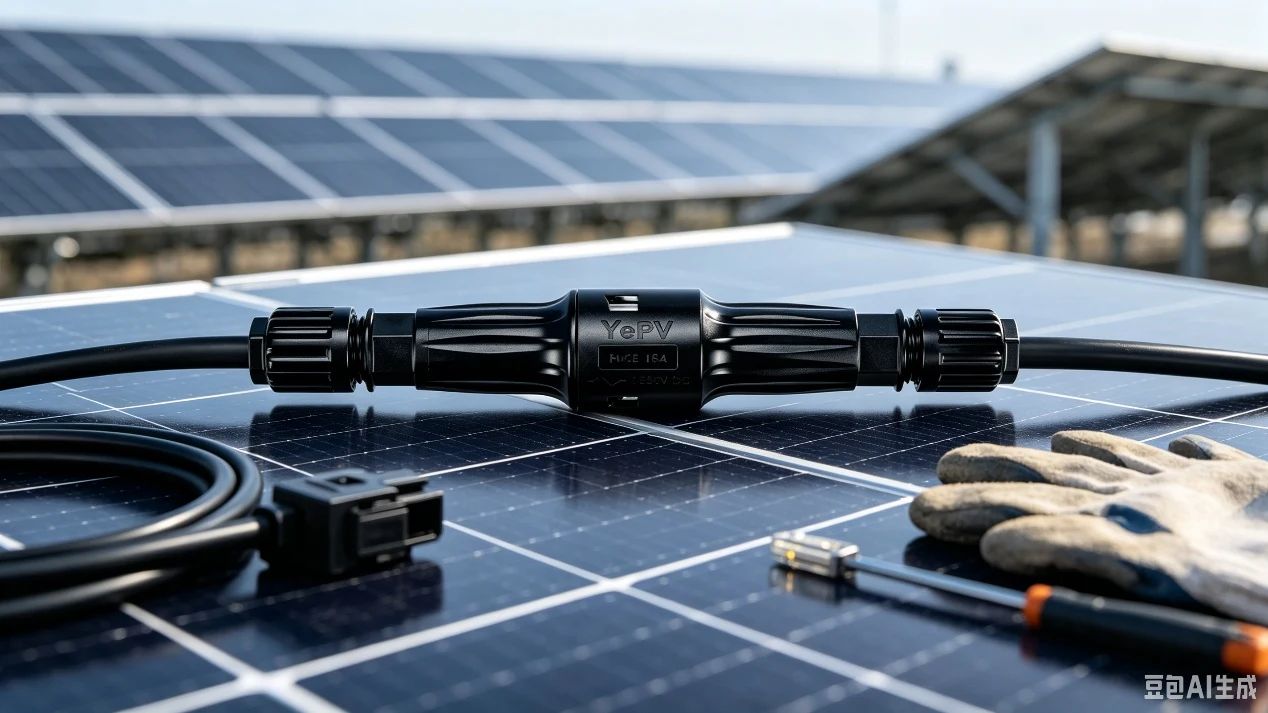
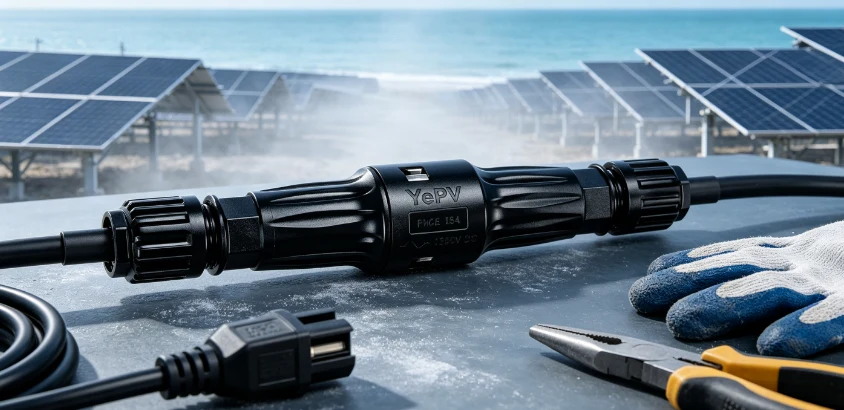
Where a replaceable gPV element matches the same rating class as a comparable branded ILF assembly — for example 15A/20A at 1500V — the pre-arcing I²t curves track closely. The advantage of the replaceable design is identical thermal-shock behaviour with far lower maintenance cost.